Cheap high-protein breakfasts that keep you full until lunch
Breakfast is where most people fall short on protein, and it is also the cheapest meal to fix. These breakfasts land between 20 and 30 grams of protein for about a dollar or two, using eggs, oats, dairy, beans and tofu.
- A typical breakfast of cereal, toast or fruit has 5 to 10 grams of protein. Aim for 20 to 30 instead.
- Eggs, milk, oats, cottage cheese, plain Greek yogurt, canned beans and tofu are the cheapest breakfast proteins per gram.
- Make breakfast ahead once a week, such as egg muffins, overnight oats or freezer burritos, and save it as a recipe so logging takes one tap.
Build a cheap breakfast around one protein anchor
A cheap high-protein breakfast is one anchor, one cheap filler and something you actually like.
Pick one protein anchor
Start with something that brings 15 grams or more on its own: three eggs, a cup of cottage cheese, a cup of plain Greek yogurt, half a block of tofu or half a cup of liquid egg whites.
Add a cheap filler with a little protein
Oats, whole-wheat toast, a tortilla, milk or canned beans add calories and fiber for a few cents, and each adds 4 to 8 grams of protein of its own.
Repeat it and save it
Eat the same two or three breakfasts on rotation. Save each one as a recipe the first time, and from then on breakfast is the fastest meal in your log.
What is a cheap high protein breakfast?
A cheap high protein breakfast has 20 to 30 grams of protein and costs about a dollar or two to make. It is built on low-cost staples, such as eggs, milk, oats, cottage cheese, plain Greek yogurt, canned beans or tofu, rather than protein bars, shakes or drive-through sandwiches.
Most breakfasts fall well short. A bowl of cereal with milk, a slice of toast with jam or a banana and coffee usually comes in at 5 to 10 grams. Since breakfast is often the meal with the least protein, it is usually the cheapest place to close the gap.
Why a high protein breakfast helps
Protein is the most filling of the macronutrients for most people, and a breakfast built around it tends to carry you further into the day. In a study by Heather Leidy and colleagues, young women around 19 who usually skipped breakfast felt fuller after a 35-gram protein breakfast, and ate fewer high-fat snacks that evening, than when they skipped breakfast or ate a lower-protein one.
It also makes your daily protein target easier to reach. Spreading protein across three or four meals of 20 to 40 grams is far easier than catching up at dinner, as explained in how much protein you need to lose weight.
The cheapest breakfast proteins per gram
To compare foods, divide the price of a package by the grams of protein in it. These figures use illustrative prices, the same method as our guide to cheap high protein meals. Your store will differ, but the order rarely changes much.
- Milk, at $3.50 a gallon: about 2.7 cents per gram of protein, 8 grams a cup.
- Rolled oats, at $4.50 for a 42-ounce canister: about 3 cents per gram, but only 5 grams per half cup, so they support an anchor rather than replace one.
- Eggs, at $2.50 a dozen: about 3.5 cents per gram, 6 grams each.
- Liquid egg whites, at $4 for a 32-ounce carton: about 4 cents per gram, roughly 13 grams per half cup.
- Cottage cheese, at $3.50 for a 24-ounce tub: about 4.5 cents per gram, 24 to 28 grams a cup.
- Canned black beans, at $1 a can: about 4 to 5 cents per gram, 7 grams per half cup.
- Plain Greek yogurt, at $5.50 for 32 ounces: about 6 cents per gram, about 23 grams a cup.
- Extra-firm tofu, at $2.79 a block: about 6 cents per gram, 20 to 25 grams per half block.
- For comparison, a $2.50 protein bar with 20 grams is about 12.5 cents per gram.
Cheap high protein breakfast ideas with 20 to 30 grams
Each of these uses the staples above. Protein, calories and costs are approximate and assume the illustrative prices in the previous section.
- Overnight oats: half a cup of oats, a cup of 2% milk and half a cup of plain Greek yogurt. About 25 grams of protein, 350 calories and $1.05.
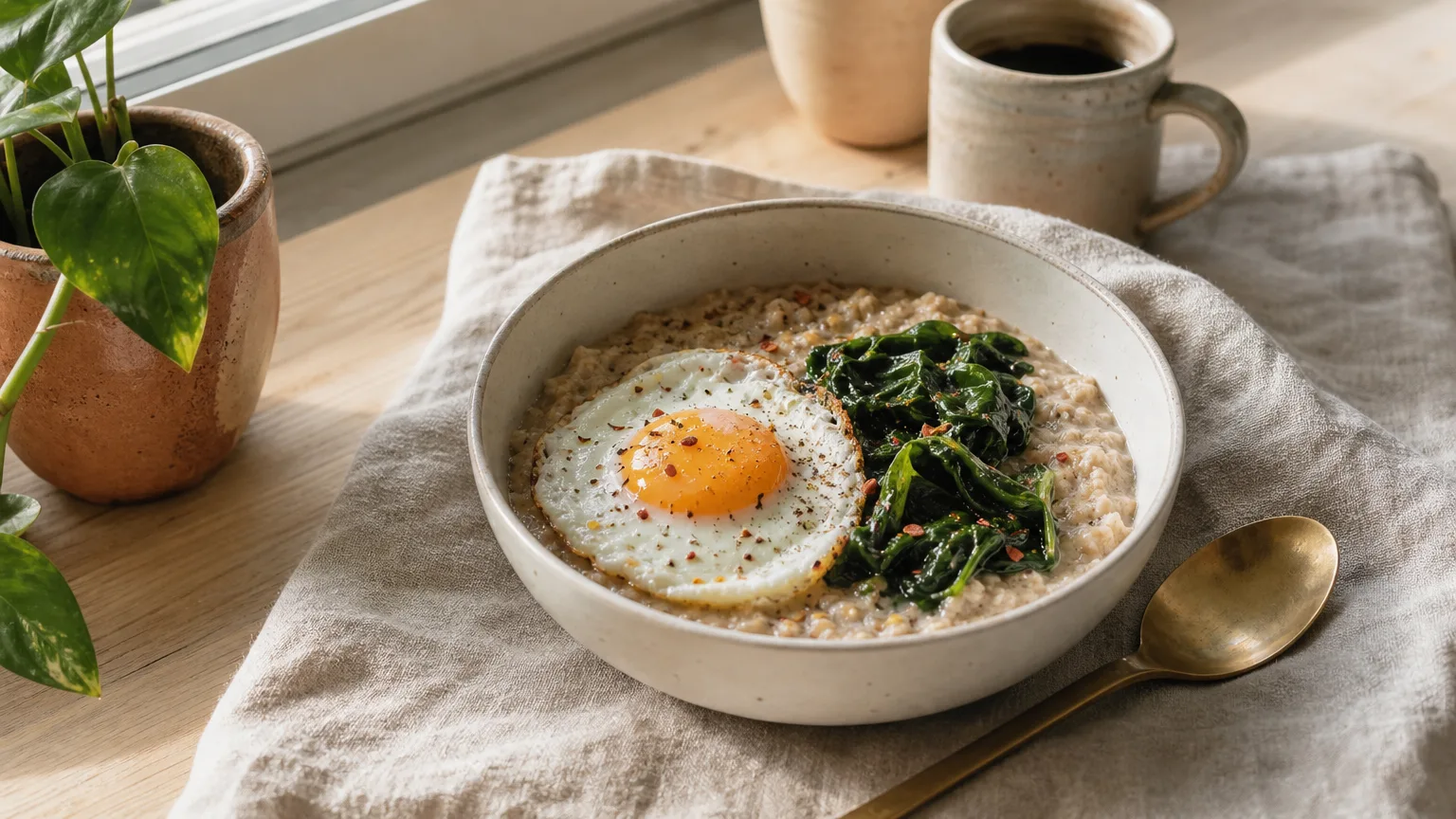
- Savory egg oats: half a cup of oats cooked in water, half a cup of liquid egg whites stirred in for the last minute, and an egg on top. About 24 grams, 300 calories and 90 cents.
- Three-egg scramble on toast: three eggs and a slice of whole-wheat toast. About 22 grams, 300 calories and 80 cents. Stir in a quarter cup of cottage cheese for about 6 grams more.
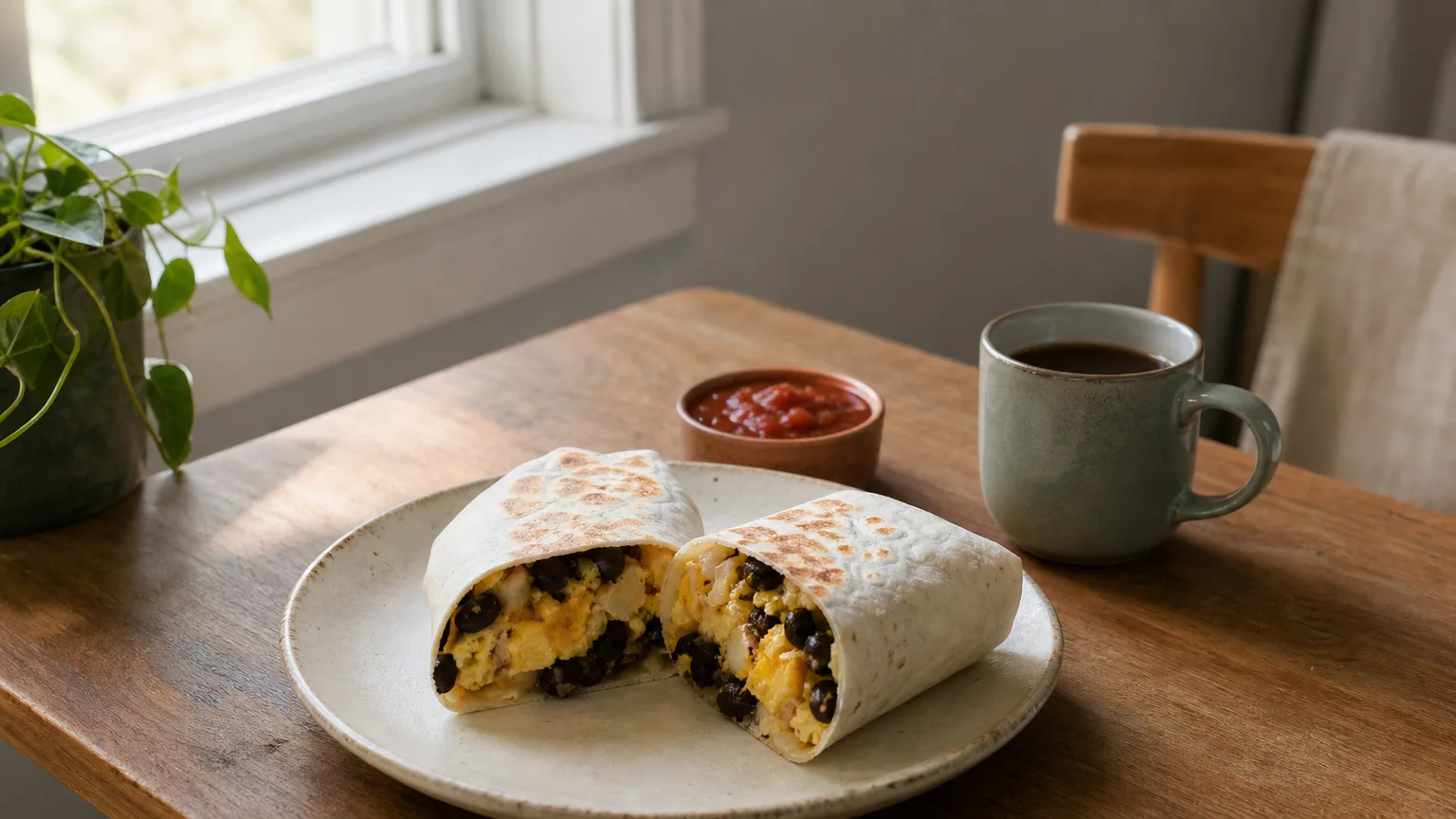
- Egg and black bean burrito: two eggs, half a cup of black beans, a tortilla and salsa. About 23 grams, 400 calories and $1.
- Cottage cheese bowl: a cup of 1% cottage cheese with frozen berries and a little honey. About 28 grams, 270 calories and $1.70.
- Greek yogurt bowl: a cup of plain Greek yogurt, a sliced banana and a tablespoon of peanut butter. About 28 grams, 330 calories and $1.75.
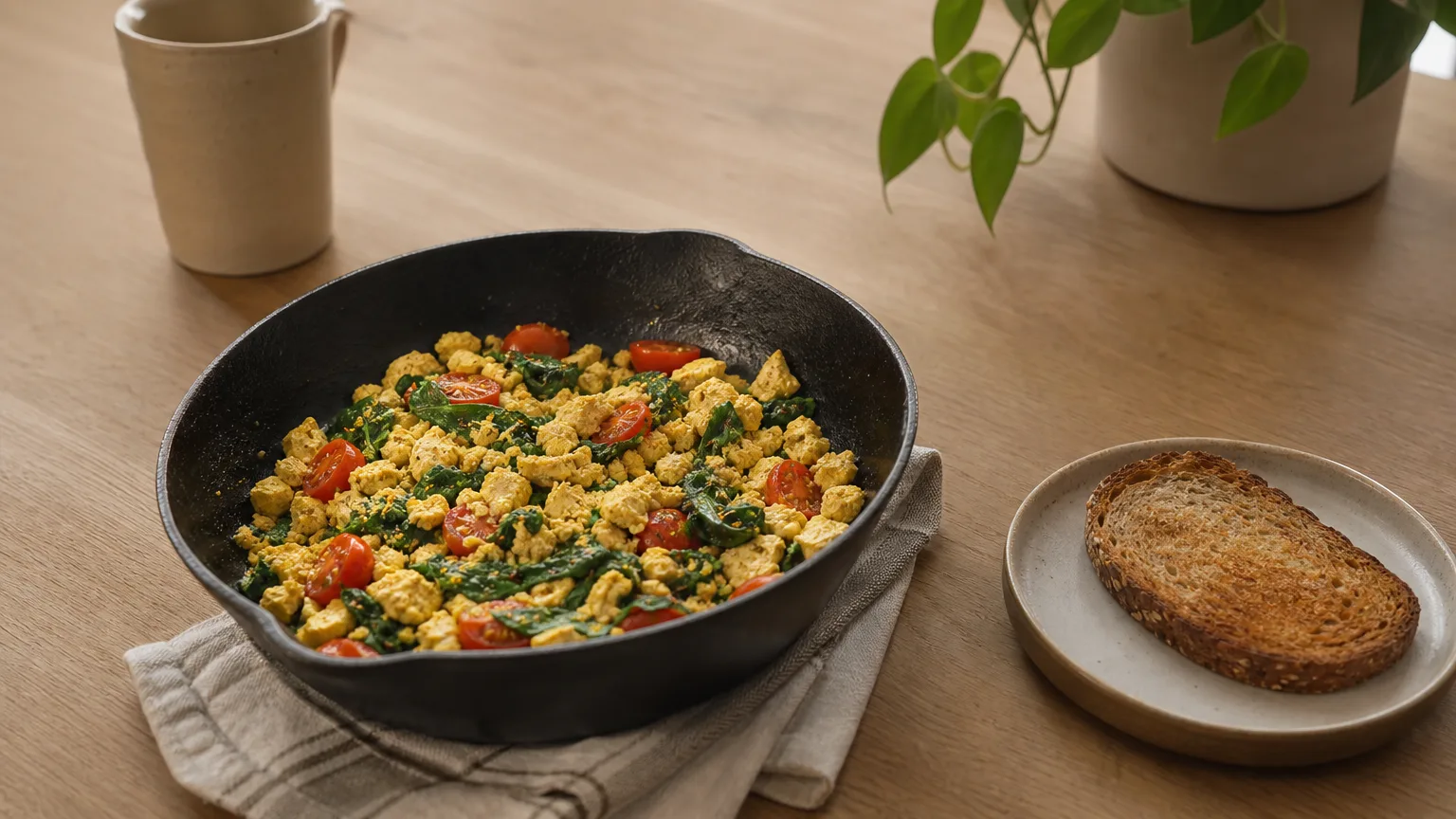
- Tofu scramble on toast: half a block of extra-firm tofu with spinach and a slice of toast. About 26 grams, 300 calories and $1.55.
- Leftovers: a bowl of last night's chili or lentils with a fried egg on top. Often 25 grams or more, for whatever the leftovers cost.
Why savory breakfasts win on protein
Sweet breakfasts are built on grains, fruit and sugar, all of which carry little protein. Savory ones are built on eggs, beans, tofu and leftovers, which carry a lot. If you are used to cereal, you do not need to switch every day; two or three savory mornings a week can raise your weekly protein average noticeably.
For sweet breakfasts, the fix is dairy. Cooking oats in milk instead of water adds about 8 grams per cup, and a scoop of plain Greek yogurt on pancakes or fruit adds 10 or more. Nonfat dry milk, stirred into oats or a smoothie, is one of the cheapest proteins in the store.
Make-ahead breakfasts for busy mornings
The cheapest breakfast is the one that is already made when you are running late. Thirty minutes on a Sunday covers most of the week.
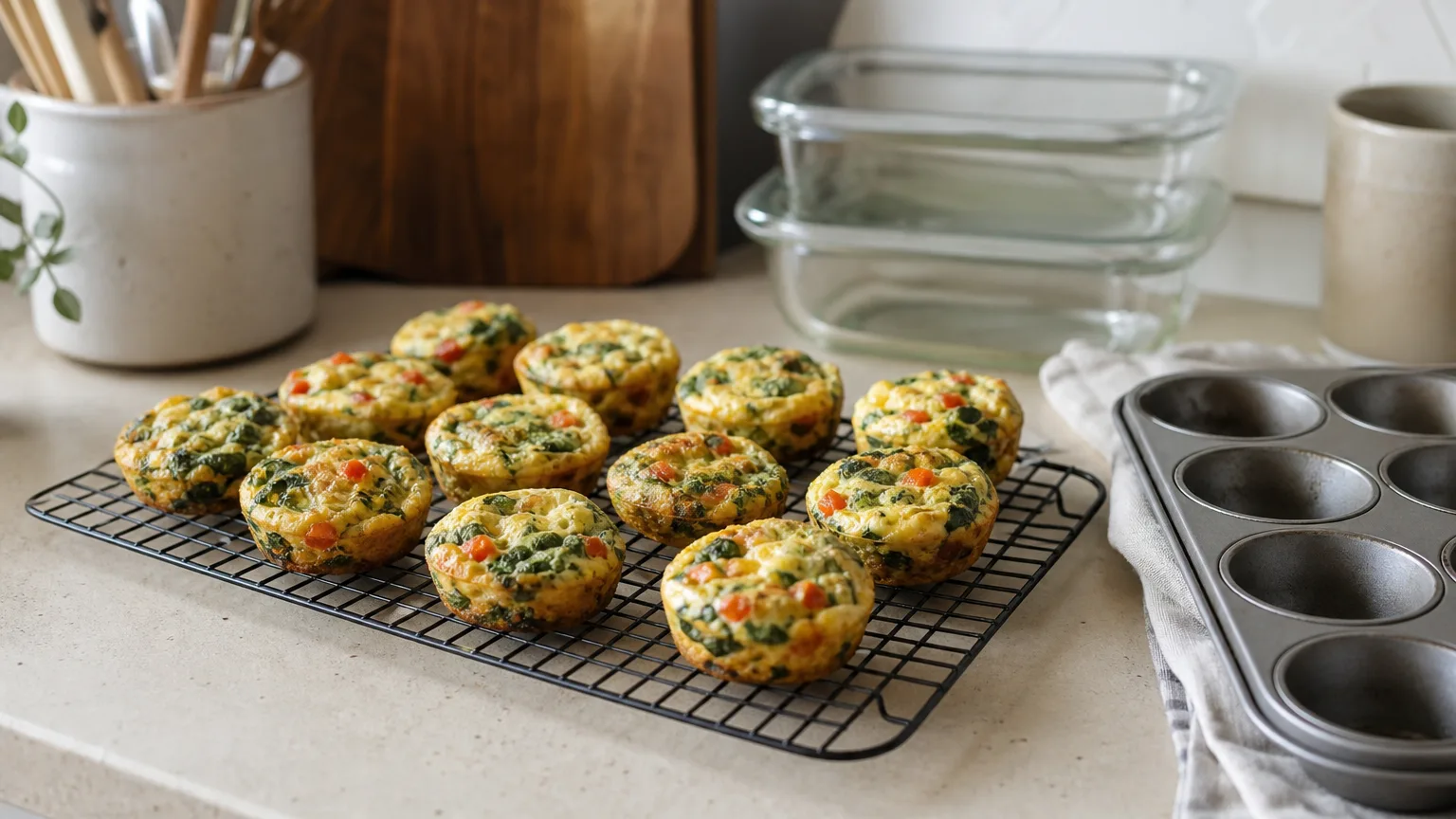
- Egg muffins: whisk 12 eggs with a cup of cottage cheese and chopped vegetables, and bake in a 12-cup muffin tin at 350°F for about 20 minutes. Three muffins are about 25 grams of protein.
- Freezer burritos: scramble 12 eggs, mix in two drained cans of black beans and a cup of shredded cheese, and roll into 8 tortillas. Wrap each in foil and freeze. About 22 grams each; microwave from frozen for about two minutes.
- Overnight oats: make four jars at once. They keep for four or five days in the fridge.
- Hard-boiled eggs: cook a dozen and keep them in the fridge, peeled or unpeeled, for up to a week.
Breakfasts that look high in protein but are not
Some breakfast foods sound more filling than they are. Check the Nutrition Facts panel, especially the serving size, before you count on them; how to read a nutrition label shows what to look for.
- Flavored single-serve yogurts: often half the protein of plain Greek yogurt, with several teaspoons of added sugar.
- Granola and protein cereals: the protein figure is often for a small serving, and a normal bowl is two or three servings of calories.
- Peanut butter and nuts: mostly fat. Two tablespoons of peanut butter have 7 to 8 grams of protein and nearly 200 calories.
- Bars and ready-made shakes: convenient, but three or four times the cost per gram of eggs or milk.
Plan breakfast once and log it in one tap
Breakfast is the easiest meal to make routine, which also makes it the easiest to track. Pick two or three breakfasts, save each as a recipe the first time you make it, and log a serving in one tap after that. Counting calories in homemade meals walks through saving a recipe with servings.
The BiteTracker breakfast recipe collection lists calories and protein per serving, including an egg white frittata with about 32 grams and a tofu scramble with about 18. Drag your breakfasts onto the meal-planning calendar for the week and order the ingredients through Instacart along with the rest of your meals, or shop once.
Frequently asked questions
What is the cheapest high protein breakfast?
Eggs, milk and oats are usually the cheapest. A three-egg scramble on toast gives about 22 grams of protein for under a dollar, and overnight oats with milk and Greek yogurt give about 25 grams for around a dollar. Prices vary by store, but these staples rarely lose on cost per gram.
How can I get 30 grams of protein at breakfast?
Combine an anchor with a protein-carrying side. Three eggs with a quarter cup of cottage cheese and a slice of toast reaches about 28 grams. A cup of plain Greek yogurt with a tablespoon of peanut butter and a banana reaches about 28, and the egg white frittata in the BiteTracker recipe book has about 32.
What is a high protein breakfast without eggs?
Cottage cheese with fruit (about 24 to 28 grams per cup), plain Greek yogurt bowls (about 23 grams per cup), tofu scramble (20 to 25 grams per half block) and oats cooked in milk with Greek yogurt stirred in (about 25 grams) all work without eggs.
Is a high protein breakfast good for weight loss?
It can help. Protein is filling, so a high-protein breakfast often means less snacking later, and it makes a daily protein target much easier to reach. Weight loss still depends on your overall calorie intake, so log breakfast like any other meal.
Save your breakfast in BiteTracker
Save the breakfast you make most as a recipe and log it in one tap. The recipe book lists calories and protein per serving for every breakfast in it.
Sources
- Beneficial effects of a higher-protein breakfast on the appetitive, hormonal, and neural signals controlling energy intake regulation in overweight/obese, "breakfast-skipping," late-adolescent girls, Leidy HJ et al., American Journal of Clinical Nutrition, 2013
- FoodData Central, U.S. Department of Agriculture
- Protein, The Nutrition Source, Harvard T.H. Chan School of Public Health
This article is general information, not medical advice. If you have a health condition, talk to your doctor or a registered dietitian before changing how you eat.