Cheap high protein lunch ideas with 25 to 35 grams
A cheap high protein lunch has 25 to 35 grams of protein and costs about two dollars. Here are seven built on tuna, eggs, lentils, beans, chicken thighs, tofu and cottage cheese, with calories and cost for each, plus no-cook options and a batch plan.
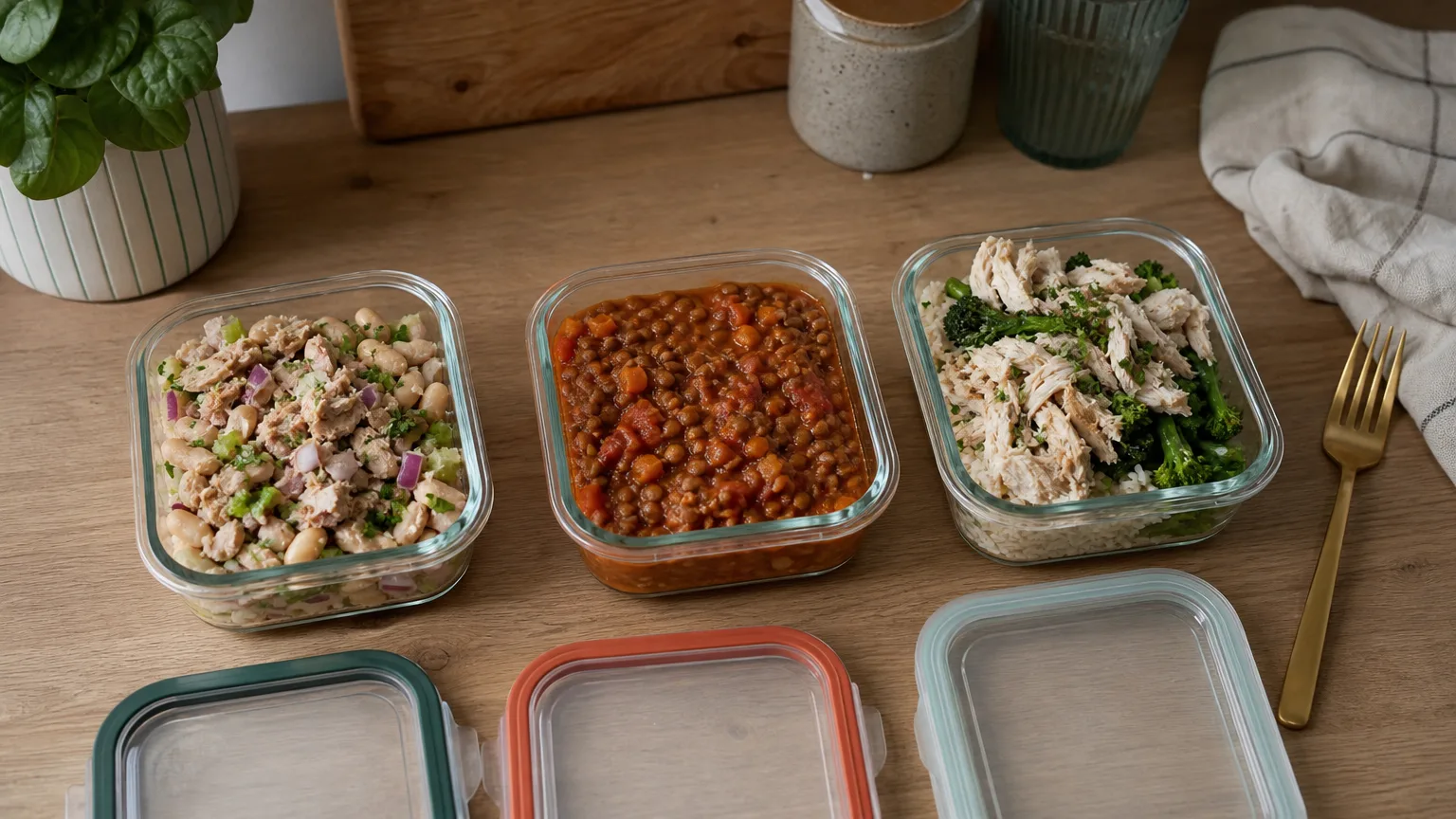
- Build lunch on a cheap protein anchor: canned tuna, eggs, lentils, beans, chicken thighs, tofu or cottage cheese.
- Each lunch here has 25 to 35 grams of protein and costs roughly $1 to $2 to make.
- Cook one batch on Sunday and keep one no-cook option in the cupboard, and most of the work week is covered.
Anchor, base, vegetable, sauce
Every lunch here is the same four parts. Change the parts and you have a different lunch for the same money.
Choose the anchor
Pick the protein first and aim for 25 grams or more from it: a can of tuna, three eggs, a cup and a half of lentil chili, two chicken thighs, half a block of tofu or a cup of cottage cheese.
Add a base and a vegetable
Rice, bread, a tortilla, potatoes or beans for the base, and whatever vegetable is cheap, frozen or already in the fridge.
Finish with a sauce
Salsa, hot sauce, mustard, soy sauce, lemon or a spoon of yogurt. Sauce is what makes the same lunch worth eating twice.
What is a cheap high protein lunch?
A cheap high protein lunch has 25 to 35 grams of protein and costs about two dollars or less to make at home. It is built on a low-cost protein anchor, such as canned tuna, eggs, lentils, beans, chicken thighs, tofu or cottage cheese, plus an inexpensive base like rice, bread or a tortilla.
Lunch is where a lot of protein targets and food budgets fall apart at the same time. A bought sandwich or salad often costs $10 or more and can carry less protein than a can of tuna. Packing lunch three or four days a week is one of the larger savings available to most people, and it puts a reliable 30 grams in the middle of the day.
Seven cheap high protein lunches
Protein, calories and costs are approximate. Costs use the same illustrative prices as our guide to cheap high protein meals: tuna at $1.25 a can, eggs at $2.50 a dozen, dried lentils at $1.50 a pound, canned beans at $1 and bone-in chicken thighs at $2.29 a pound. Your store will differ, but the order rarely does.
| Lunch | What goes in | Protein | Calories | Cost |
|---|---|---|---|---|
| Tuna and white bean salad | A can of tuna, 1/2 cup white beans, onion, a spoon of mayonnaise | About 30 g | About 350 | About $1.70 |
| Egg salad sandwich | 3 hard-boiled eggs mashed with 1/4 cup cottage cheese, on 2 slices of whole-wheat bread | About 32 g | About 440 | About $1.30 |
| Lentil chili bowl | 1 1/2 cups lentil chili with a spoon of Greek yogurt | About 25 g | About 350 | About $1.00 |
| Black bean and egg rice bowl | 1 cup black beans, 2 fried eggs, 1/2 cup rice, salsa | About 28 g | About 480 | About $1.30 |
| Chicken thigh rice bowl | 2 roasted thighs with the skin removed, 1 cup rice, frozen vegetables | About 34 g | About 500 | About $1.70 |
| Tofu and egg fried rice | 1/2 block extra-firm tofu, 1 egg, 1 cup rice, frozen peas | About 32 g | About 570 | About $2.00 |
| Cottage cheese and chickpea bowl | 1 cup cottage cheese, 1/2 cup chickpeas, cucumber, tomato | About 32 g | About 340 | About $2.00 |
- Need more protein? Add a hard-boiled egg (6 grams, about 20 cents) or a quarter cup of cottage cheese (about 6 grams, about 30 cents) to any of them.
- Need fewer calories? Halve the rice or swap it for extra vegetables. The protein barely changes.
No-cook lunches for days without a kitchen
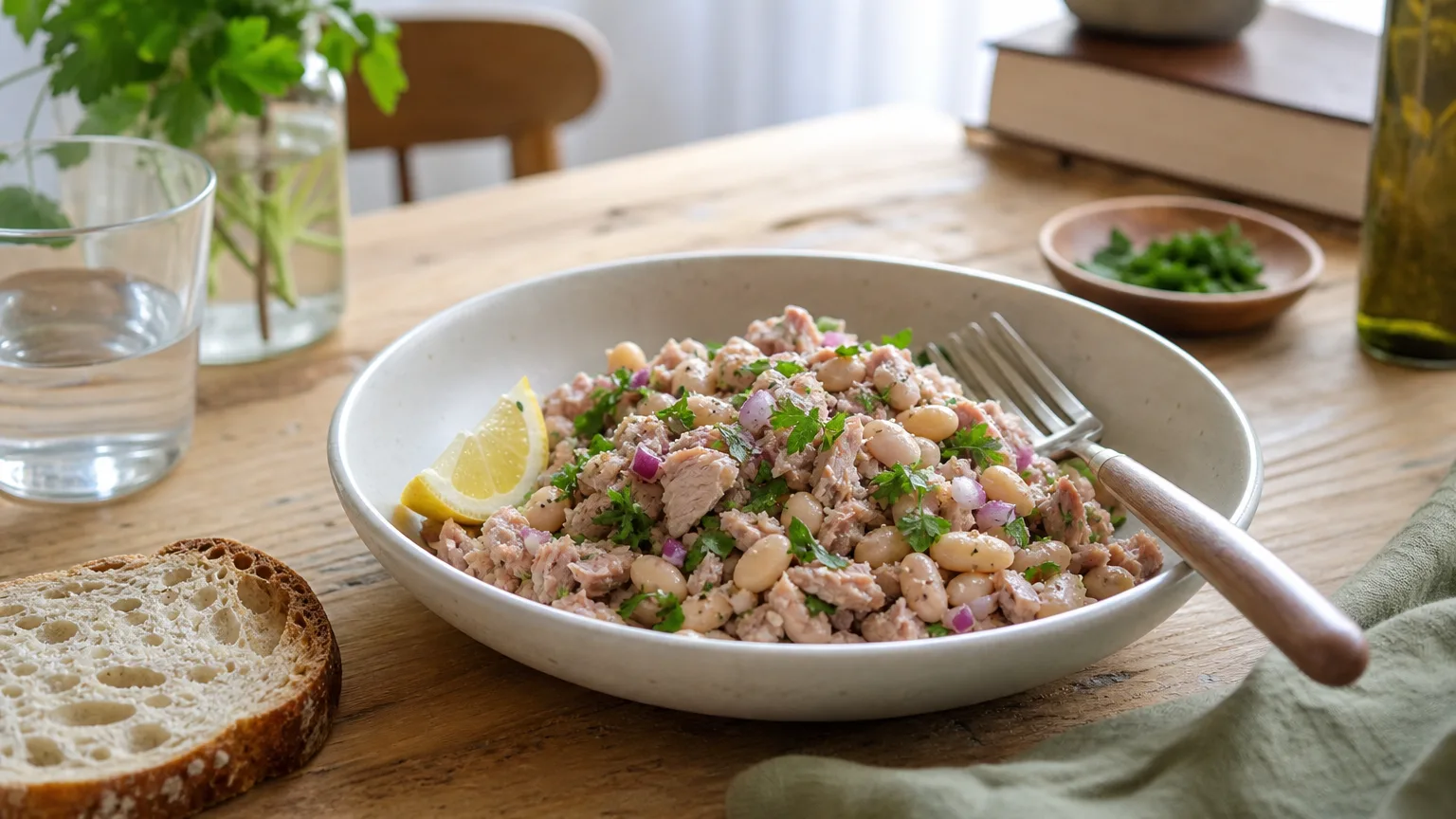
Three of the seven need no stove, and two need no microwave either. Keep the ingredients for one of them at home or at work and you always have a fallback that beats the drive-through.
- Tuna and white bean salad: mix in the container in two minutes. Take the can and open it at lunch if you prefer it fresh.
- Cottage cheese and chickpea bowl: chop the vegetables the night before, or use cherry tomatoes and skip the chopping.
- Egg salad sandwich: boil a dozen eggs on Sunday and the rest is assembly.
- A plain backup: a cup of plain Greek yogurt, a piece of fruit and a peanut butter sandwich comes to about 35 grams of protein with no preparation at all.
Cook once, eat four times
The cheapest lunch is the one that is already in the fridge. An hour on Sunday covers Monday to Thursday, and Friday can be the no-cook fallback.
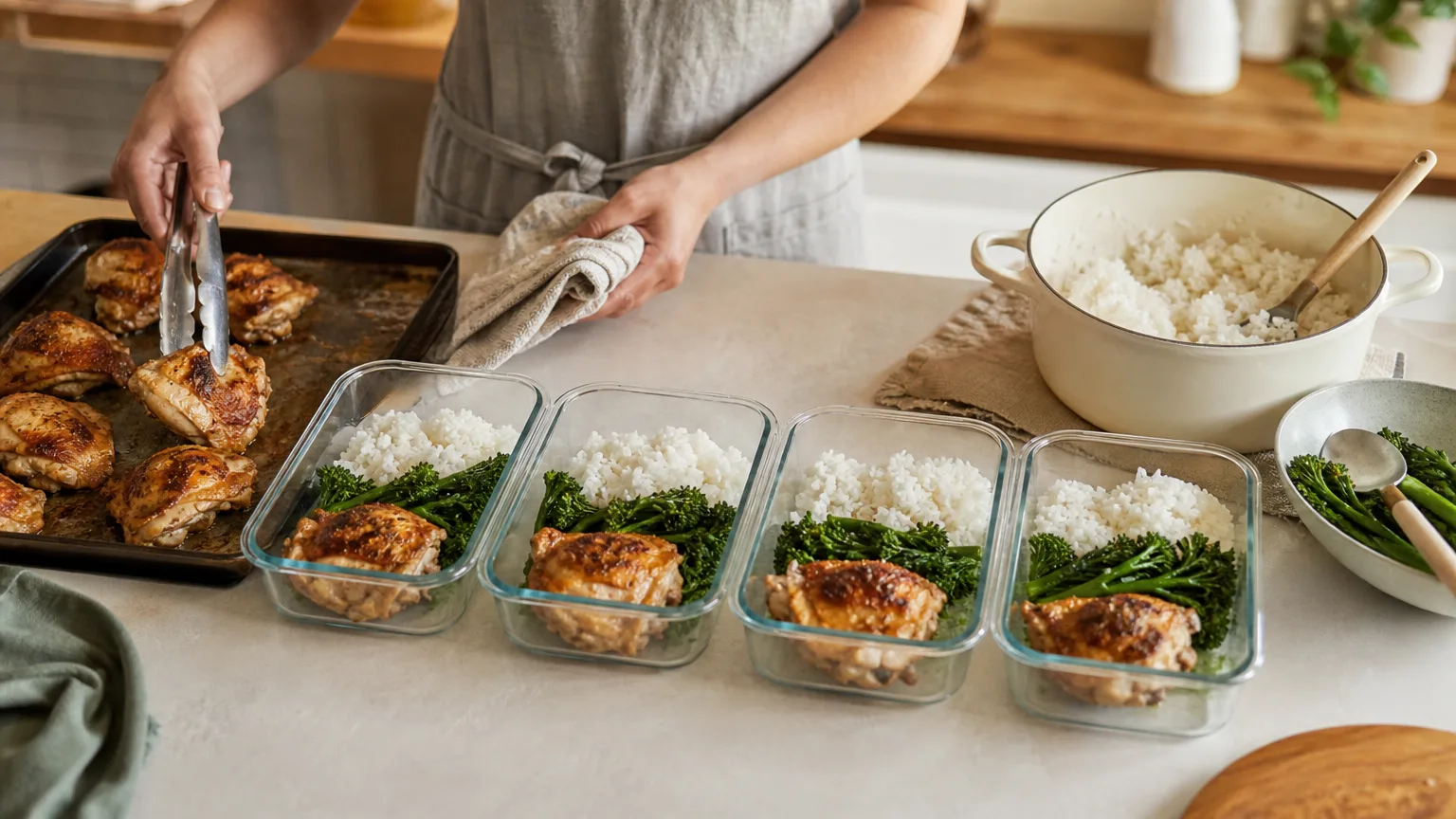
- Roast a tray of 8 chicken thighs at 425°F for about 35 to 40 minutes while a pot of rice cooks. Divide into four containers with frozen vegetables, which reheat with the rest.
- Or make a pot of lentil chili: a pound of dried lentils with canned tomatoes, onion and chili powder makes about six lunch portions and freezes well.
- Cooked meals keep three to four days in the refrigerator. Freeze anything you will not eat by then.
- Count the batch once. Enter the ingredients, set the number of containers as the servings, and every lunch that week has the same numbers. Counting calories in homemade meals shows the method.
Lunches that look high in protein but are not
Some lunches sound like a protein choice and deliver 10 to 15 grams. Check the label or the menu's nutrition information before you count on them.
- Hummus and vegetable wraps: two tablespoons of hummus have about 2 grams of protein. Most of the wrap's protein comes from the tortilla.
- Peanut butter sandwiches: about 15 grams of protein with roughly 400 calories. Fine as a side, weak as an anchor.
- Bought salads: often a few slices of chicken on a lot of leaves, with dressing that can carry more calories than everything else in the bowl.
- Soup and bread: unless the soup is built on lentils, beans or meat, it is mostly liquid and carbohydrate.
- Protein bars as lunch: about 20 grams, for two or three times the cost per gram of eggs or tuna.
How much protein should lunch have?
A useful aim is 25 to 40 grams. Spreading your protein across three or four meals of roughly that size is easier than trying to catch up at dinner, and a lunch with real protein in it tends to hold off the mid-afternoon snack.
Your daily number depends on your body weight and goal. How much protein you need to lose weight walks through the calculation, and if breakfast is your weak spot, cheap high protein breakfasts covers the first meal the same way.
Packing lunch so you actually eat it
A packed lunch only saves money if it gets eaten. A few details make the difference.
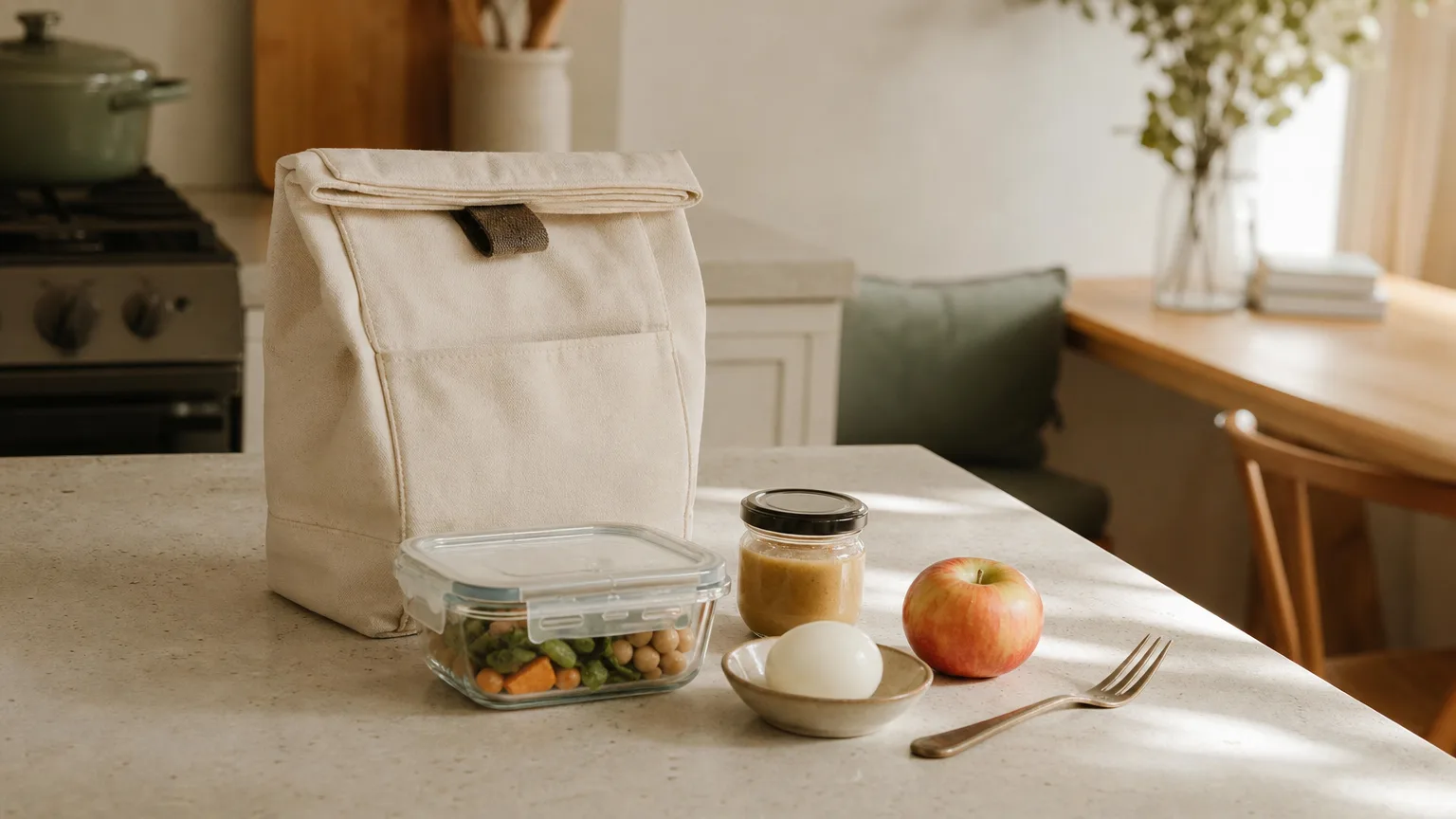
- Keep sauces and dressings in a separate small jar so nothing goes soggy.
- Pack the night before, not in the morning.
- Rotate two lunches through the week rather than eating one five days in a row.
- Leave a fork, hot sauce and salt at work.
- Double dinner twice a week and pack the second half before you sit down to eat.
Plan lunch once and log it in one tap
Lunch is easy to make routine, which makes it easy to track. Save each lunch as a recipe the first time you make it, and logging it afterwards takes one tap.
The BiteTracker lunch recipe collection lists calories and protein per serving, and the cheap high protein collection gathers the recipes built on these staples, including a lentil soup and a healthy chicken salad. Drag your lunches onto the meal-planning calendar for the week and order the ingredients through Instacart, or shop once.
Frequently asked questions
What is the cheapest high protein lunch?
A lentil chili bowl is usually the cheapest, at about a dollar for roughly 25 grams of protein. An egg salad sandwich made with three eggs and a little cottage cheese gives about 32 grams for around $1.30. Prices vary by store, but lentils, beans and eggs rarely lose on cost per gram.
What is a high protein lunch with no cooking?
Tuna and white bean salad, at about 30 grams, or a bowl of cottage cheese with chickpeas, cucumber and tomato, at about 32 grams. Both are mixed in the container in a few minutes and need no microwave.
How can I get 30 grams of protein at lunch?
Start with an anchor that carries 20 grams or more, such as a can of tuna, three eggs, two chicken thighs, half a block of tofu or a cup of cottage cheese. Then add a base that brings some protein of its own, such as beans, whole-wheat bread or a spoon of Greek yogurt.
How long do meal-prepped lunches last in the fridge?
Three to four days for cooked dishes, according to USDA food safety guidance. Cook on Sunday for Monday to Thursday, and freeze any portions you will not eat in that time. Reheat leftovers until they are steaming hot.
Plan the week's lunches in BiteTracker
Save a lunch as a recipe, drop it onto the days you will eat it, and log each one in a tap. Calories and protein add up for every day as you plan.
Sources
- FoodData Central, U.S. Department of Agriculture
- Leftovers and Food Safety, U.S. Department of Agriculture, Food Safety and Inspection Service
- Protein, The Nutrition Source, Harvard T.H. Chan School of Public Health
This article is general information, not medical advice. If you have a health condition, talk to your doctor or a registered dietitian before changing how you eat.